


Three Pathways.
One Mission.
Three licensure pathways, three partner universities, and one shared residency that prepares excellent teachers for Winston-Salem’s highest-need schools.
More than coursework
At Winston-Salem TEACH, we believe preparing great teachers requires more than coursework. It requires meaningful classroom experience, strong connections to the community, and a deep understanding of the students and schools our teachers will serve.
Through a unique partnership among three local institutions of higher education, Winston-Salem TEACH offers three pathways to teacher licensure. Each institution brings its own expertise to preparing educators, while our shared programming brings residents together around one mission: ensuring every child in Winston-Salem/Forsyth County Schools has access to an excellent, well-prepared teacher.
Watch: the program, in our residents’ own experience.
Explore Our Three
Licensure Pathways
Each pathway leads to a Master’s degree and a North Carolina teaching license, completed through the partner university that leads it.
Elementary Education
Led by Salem College, our Elementary Education pathway prepares residents to teach across the elementary grades, building strong foundations in literacy, mathematics, and other core subjects while developing the skills to create engaging, inclusive classrooms.

Special Education
Led by Winston-Salem State University, our Special Education pathway prepares residents to meet the diverse learning needs of students with disabilities, emphasizing individualized instruction, inclusive practices, and collaboration with families and school communities.
Secondary Education
Led by Wake Forest University’s Master Teacher Fellows program, our Secondary Education pathway prepares residents to teach in a specific academic content area, combining advanced subject knowledge with effective instructional practices for high school classrooms.
Learning Together Across Institutions
While residents complete their licensure coursework through their respective universities, they come together every two weeks for a cross-institutional Winston-Salem TEACH seminar.
These seminars connect residents across grade levels, subject areas, and institutions to explore the opportunities and challenges of teaching in high-need WS/FCS schools.
By learning alongside residents from other licensure areas, our future teachers gain a broader perspective on the students, families, and school communities they will serve.
- Building relationships with students and families
- Trauma-informed teaching and student well-being
- Differentiated instruction and inclusive practices
- Culturally-responsive teaching
- Formative and summative assessment practices
- Using student data to inform instruction
- Multi-Tiered Systems of Support (MTSS)
- Supporting multilingual learners
- Positive classroom management and student engagement
- Supporting students with disabilities and diverse learning needs
- Values-led teacher leadership
- Family and community engagement
- Teacher well-being, resilience, and sustainability
COMMUNITY-BASED LEARNING
Our City Is Our Classroom
We believe that to teach in a community, you must first understand it.
Through a unique partnership among three local institutions of higher education, Winston-Salem TEACH offers three pathways to teacher licensure. Each institution brings its own expertise to preparing educators, while our shared programming brings residents together around one mission: ensuring every child in Winston-Salem/Forsyth County Schools has access to an excellent, well-prepared teacher.
Residents learn directly from community leaders, local organizations, families, and educators, gaining perspectives that cannot be found in a textbook alone.
From the city’s historic neighborhoods to its schools, museums, businesses, and community organizations, Winston-Salem becomes an extension of the classroom.
These experiences help residents better understand the communities in which their students live, recognize the strengths and assets students bring to school, and build relationships that extend beyond classroom walls.
Watch: learning from the city itself.
From the Program
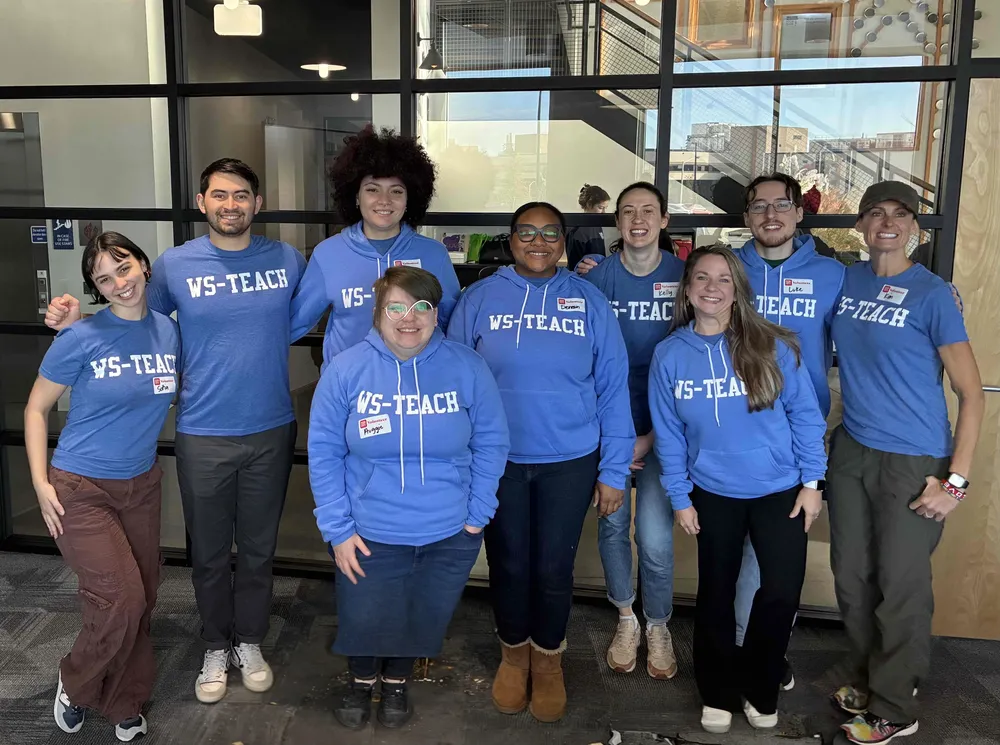
Volunteering at Second Harvest Food Bank of Northwest NC
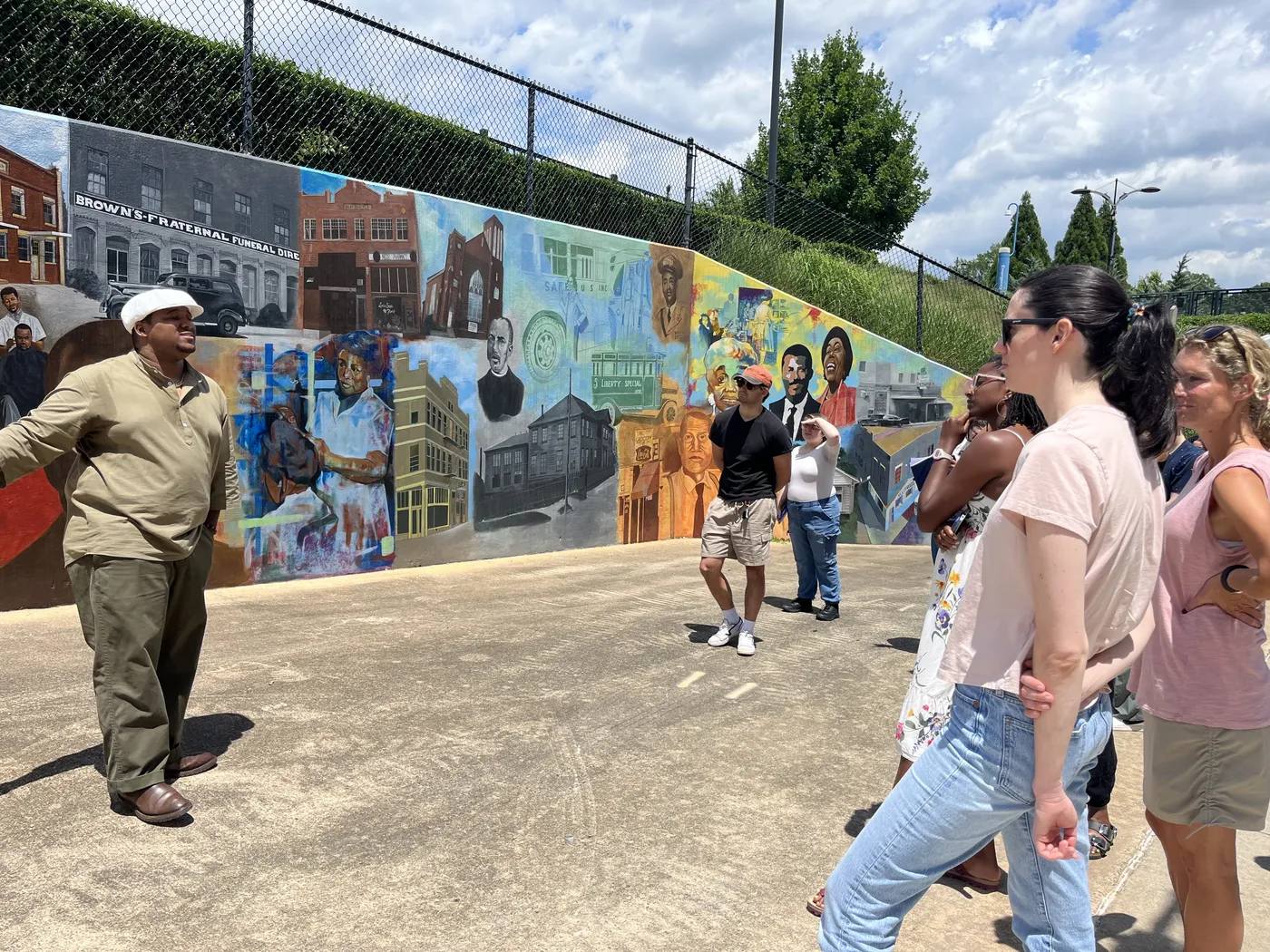
Exploring the city’s rich history and cultural heritage during a Triad Cultural Arts bus tour.

Exploring the city’s rich history and cultural heritage during a Triad Cultural Arts bus tour.
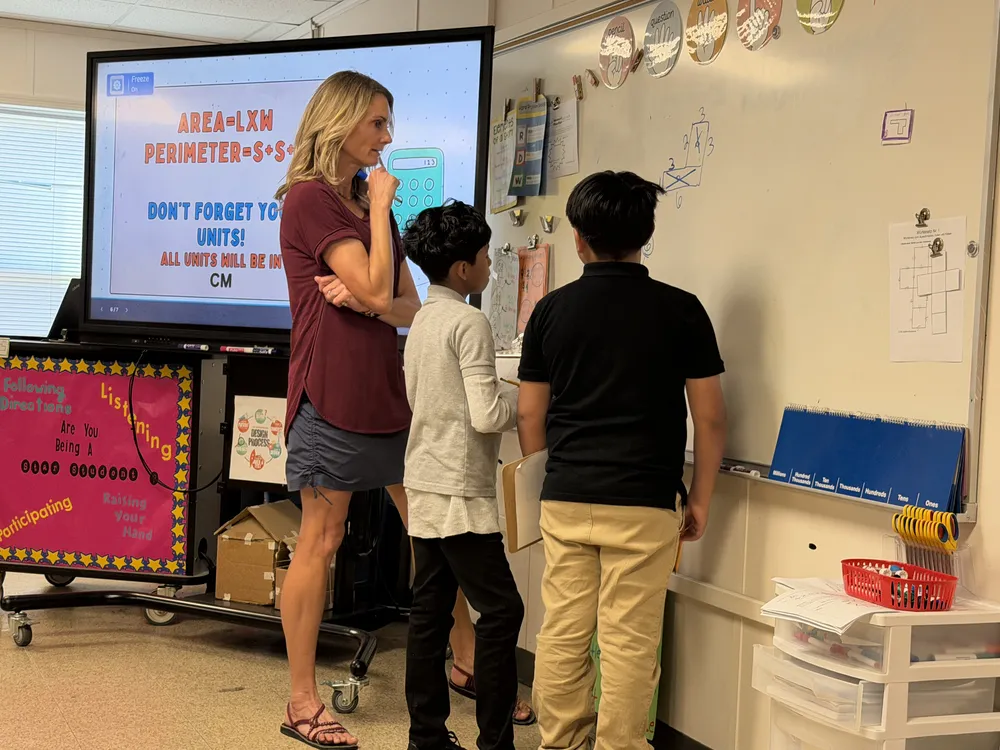
Visiting the Verizon Innovative Learning Lab at Winston-Salem Preparatory Academy
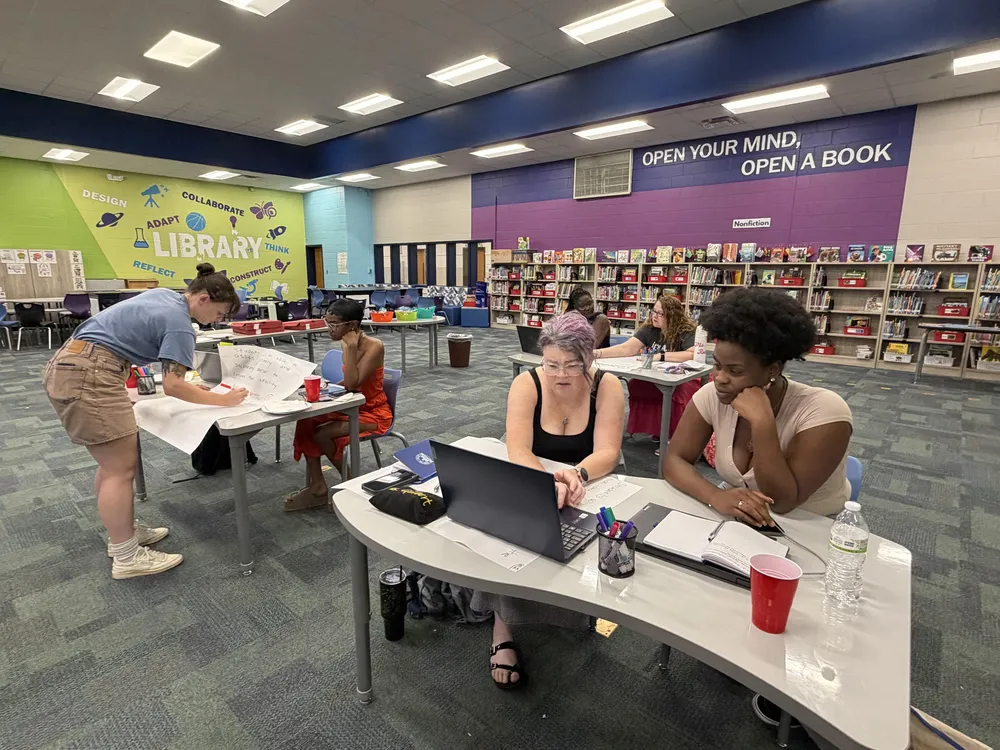
Seminar at Forest Park Elementary School